
What Are the Primary Safety Risks of Using Fuel Bladders on Boats?
While fuel bladders offer remarkable convenience for extending your vessel’s range, it’s crucial to understand the inherent risks. These primarily revolve around the potential for rupture, leaks, fire hazards, and the significant impact on boat stability.
Understanding Rupture, Leaks, and Fire Hazards
The integrity of a fuel bladder is paramount. A rupture can occur due to various factors, including abrasion against rough surfaces, punctures from sharp objects, material degradation over time, or even over-pressurization if not properly vented. The consequences of a leak can be severe. Even a small fuel spill poses a significant environmental threat; a single gallon of spilled fuel can contaminate up to one million gallons of water, creating a toxic environment for marine life. The U.S. Coast Guard logs over 3,000 fuel spill incidents from recreational boats every year, and improper fueling is blamed for up to 40% of all hydrocarbon pollution in some busy boating areas.
Beyond environmental damage, leaking fuel presents an extreme fire hazard. Fuel vapors are highly flammable and can ignite from a single spark, static electricity during transfer, or even hot engine components. Proper ventilation is critical, as is maintaining a safe distance from any potential ignition sources. We must also be mindful of static electricity buildup during fuel transfer, which necessitates proper grounding procedures.
How Does the Free-Surface Effect Impact Boat Stability?
One of the most critical safety concerns with fuel bladders is the “free-surface effect.” This phenomenon occurs when a partially filled liquid container allows the liquid to slosh freely from side to side. On a boat, this shifting weight can severely reduce stability, making the vessel more prone to rolling and, in extreme cases, capsizing, especially in rough seas.
Bladders are particularly susceptible to this effect because many designs lack internal baffles. Unlike rigid tanks that often have internal compartments to restrict liquid movement, a partially filled bladder allows the entire volume of fuel to shift as one mass. This creates a dynamic and unpredictable weight distribution that can quickly compromise your boat’s handling and safety. The best practices to mitigate this risk are simple but vital: avoid partially filling bladders, and always aim to empty them completely into your main tanks as soon as possible.
How Can Fuel Bladders Be Safely Secured and Their Stability Impact Minimized?
Proper securing and strategic placement are non-negotiable for safe fuel bladder use. Neglecting these steps can lead to bladders shifting, causing damage, or even going overboard, creating an immediate hazard.
Recommended Methods for Securing Fuel Bladders
Whether you choose on-deck placement or a more protected cockpit location, the bladder must be immovably secured. We recommend using heavy-duty ratchet straps or robust tie-downs connected to strong eye bolts or cleats on your vessel. It’s crucial to use anti-chafe protection, such as thick rubber mats or blankets, beneath and around the bladder to prevent wear and tear from friction, especially in choppy conditions. A dedicated, secure location, away from high-traffic areas and potential snags, is ideal.
Always remember that fuel is heavy; 50 gallons of diesel, for instance, weighs approximately 350 pounds. Before placing any bladder, ensure your deck or chosen area can safely support this concentrated weight without compromising structural integrity.
Minimizing Stability Impact from Fuel Bladders
To minimize the free-surface effect and maintain optimal boat stability, we advise locating bladders as low as possible on the vessel. This keeps the center of gravity low, which is inherently safer. As soon as space becomes available in your main tanks, transfer the fuel from the bladder completely. This eliminates the sloshing hazard.
Advanced bladder designs, like those we offer at Techno Tanks, can incorporate flexible baffles. These internal compartments help to compartmentalize the fuel, significantly reducing slosh and mitigating the free-surface effect even when partially filled. Before embarking on any long trip, we highly recommend calculating the weight distribution and its potential impact on your boat’s trim and handling. A practical step is to test the bladder both empty and full in various sea conditions (if safe to do so) to understand how your vessel responds.
What Are the Best Practices for Transferring Fuel from a Bladder at Sea?
Transferring fuel at sea requires careful planning and execution to prevent spills, ensure safety, and maintain the integrity of your fuel system.
Safe Fuel Transfer Techniques and Equipment
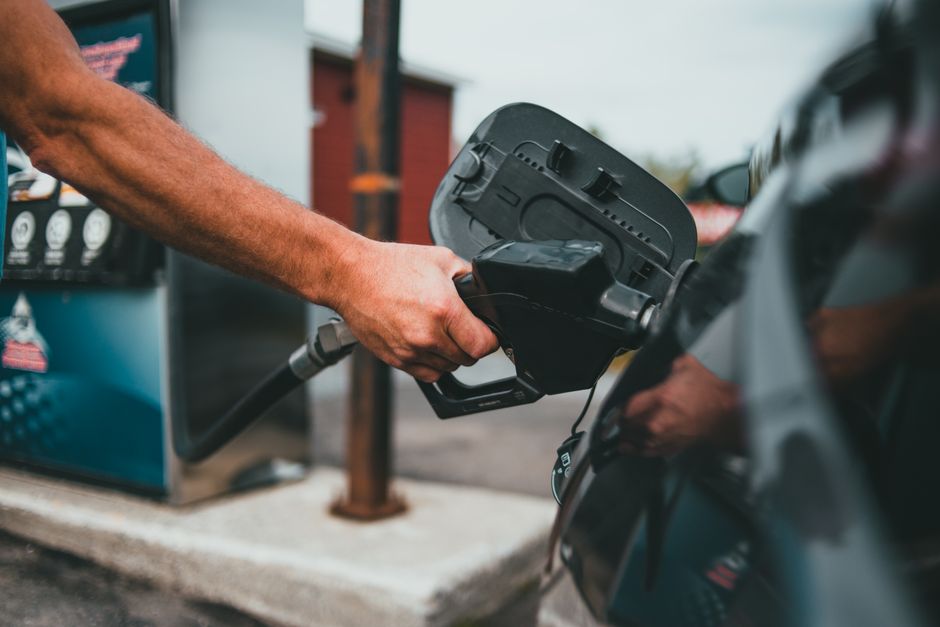
Several methods exist for transferring fuel from a bladder to your main tanks. Gravity feed can work initially, especially if the bladder is positioned higher than your main tank fill. However, its efficiency diminishes as the bladder empties, and it can be challenging in rough seas. For reliable transfer, we strongly recommend using a marine-appropriate transfer pump system (either manual or electric).
A “daily top-off” strategy can be effective: transfer smaller amounts of fuel to your main tanks regularly, rather than letting the bladder sit partially full. When transferring, always ground the metal fuel nozzle to the fill opening before pumping to dissipate static electricity. Using funnels with built-in water separators can prevent water contamination. Crucially, never overfill your main tanks; leave at least 10% empty space to allow for fuel expansion, especially in warmer conditions.
We also emphasize the importance of containment measures. Keep absorbent pads or a spill kit readily available. Ensure all hoses and fittings are robust and designed for marine fuel use, such as JIC fittings, which are excellent for high-vibration environments. Always confirm compatibility with your boat’s existing fuel system to avoid leaks or connection issues.
Which Materials, Certifications, and Regulations Ensure Fuel Bladder Safety?
The safety of a fuel bladder is fundamentally tied to its construction, the materials used, and its adherence to industry standards and regulations.
Selecting the Safest and Most Reliable Fuel Bladders
Material Quality: The choice of material is critical for fuel bladder durability and safety. We advocate for Thermoplastic Polyurethane (TPU) over Polyvinyl Chloride (PVC) for marine fuel storage. TPU offers superior properties, including higher tensile strength, better abrasion resistance, superior cold flexibility, and significantly lower hydrocarbon permeability, which reduces fuel evaporation and odors. It also boasts excellent UV resistance, crucial for products exposed to the marine environment. At Techno Tanks, we utilize patented, recyclable TPU material in our bladders, ensuring both durability and environmental responsibility.
Brands and Certifications: When selecting a fuel bladder, look for manufacturers with a proven track record and products that meet stringent safety standards. U.S. Coast Guard (USCG) approval is a strong indicator of a product designed for marine use. Additionally, some bladders adhere to military-spec standards, such as GJB4219A-2013 for fuel compatibility, which signifies robust construction and rigorous testing. Reputable manufacturers will have extensive experience and subject their products to thorough testing protocols.
Legal and Regulatory Considerations for Carrying Extra Fuel
Before using a fuel bladder, understand the legal and regulatory landscape. Local regulations for fuel storage on boats can vary significantly by jurisdiction, so always verify what is permissible in your cruising area.
Perhaps most importantly, consider the insurance implications. In the event of a spill or fire involving a fuel bladder, will your marine insurance policy provide coverage? We strongly advise contacting your insurance provider to clarify your coverage before deploying a bladder. Environmental spills can also lead to substantial EPA fines, underscoring the need for diligence. Finally, if you transport fuel to your boat in a bladder, be aware of Department of Transportation (DOT) regulations for carrying fuel in vehicles.
How Should Fuel Bladders Be Maintained and Stored?
Proper maintenance, cleaning, and storage are essential for maximizing the lifespan and ensuring the continued safety of your fuel bladder. Neglecting these steps can lead to premature degradation, contamination, and increased risk.
Proper Maintenance, Cleaning, and Storage for Fuel Bladders
Regular inspection is your first line of defense. Before and after each use, thoroughly inspect your fuel bladder for any signs of wear, abrasion, punctures, leaks, or material degradation. Pay close attention to seams, fittings, and areas that might rub against the boat.
For cleaning, rinse the exterior surfaces with fresh water after each use to remove saltwater, dirt, and any fuel residue. For interior cleaning, always follow the manufacturer’s specific guidance to prevent contamination or damage to the material. Ensuring the bladder is completely dry before storage (if not storing with fuel) is crucial to prevent mold or mildew growth.
Preventing fuel contamination is also a key aspect of maintenance. Always use clean fuel and ensure your transfer equipment is free of debris. When not in use, bladders should be emptied completely, rolled or folded compactly according to manufacturer instructions, and stored in a cool, dry, shaded place away from direct sunlight and any potential ignition sources. If you plan to store fuel in the bladder for an extended period (more than 30 days), adding a high-quality fuel stabilizer is recommended to prevent degradation.
Frequently Asked Questions about Marine Fuel Bladders
We often hear common questions from boaters considering fuel bladders. Here are some of the most frequent inquiries:
Are all fuel bladders safe for marine use?
No, not all fuel bladders are created equal or suitable for marine environments. It’s crucial to choose bladders specifically designed and certified for marine fuel storage. These should be made from high-quality, fuel-compatible materials like TPU, and ideally, they should be USCG-approved. Generic or non-marine grade bladders can pose significant risks.
How much fuel can I safely carry in a bladder?
The safe amount depends on your boat’s size, stability characteristics, and the bladder’s capacity. Always consider the weight — fuel is heavy (for example, 50 gallons of diesel weighs approximately 350 lbs) — and its impact on your vessel’s trim and handling. Never exceed your boat’s payload limits or compromise its stability. Consult your boat’s specifications and consider a trial run to assess handling with the added weight.
What should I do if my fuel bladder leaks?
If your fuel bladder leaks, immediately take steps to contain the spill, prevent ignition, and stop the leak if possible. Transfer any remaining fuel to a secure, approved container. Report significant spills to the appropriate authorities, such as the U.S. Coast Guard, as required by law. Do not continue using a damaged bladder; it must be repaired by a professional or replaced.
Conclusion
Fuel bladders, when approached with a thorough understanding of their safety requirements, can be a valuable asset for extending your boat’s range. By prioritizing robust materials like the patented, recyclable TPU offered by Techno Tanks, ensuring proper securing and transfer methods, and adhering to maintenance and regulatory guidelines, you can mitigate the inherent risks. Always remember that safety on the water is paramount. Make informed decisions, choose high-quality products, and practice diligent seamanship to enjoy the freedom of extended cruising with confidence. Explore Techno Tanks’ range of high-quality, durable fuel bladders designed for marine applications to find a reliable solution for your next adventure.

