
What Are the Safest and Most Effective Fuel Transfer Methods?
When it comes to transferring fuel from a bladder to your boat’s main tank, safety and efficiency are paramount. We have several methods at our disposal: gravity feed, siphoning, or using an electric pump. Each has its advantages and specific requirements, but the most effective and safest approach often involves a dedicated transfer pump.
Whichever transfer method you use, the connection between the bladder valve and fuel line has to match the rest of the system. For Techno Tanks setups that use a removable line, review the Fuel Line Quick Connector and confirm the hose, thread/interface, and fuel-system requirements before transferring fuel.
Choosing Your Transfer Method
Gravity Feed: This method is appealing because it requires no external power or pump. For gravity feeding to work, your fuel bladder must be positioned higher than your boat’s main fuel tank. As fuel weighs approximately 6 pounds per gallon, this means lifting a significant amount of weight, which can be challenging and potentially unsafe depending on the bladder size. While simple in concept, the practicalities of safely elevating a large, full fuel bladder can be prohibitive for many boaters.
Siphon: Similar to gravity feed, siphoning also relies on elevation differences, but it requires initiating the flow. This can be done using a hand pump or by creating a vacuum. While feasible for smaller quantities, siphoning can be slow and carries a higher risk of spills or accidental fuel ingestion if not done carefully. It’s generally less controlled and less efficient than a pump system.
Electric Pump (12V/24V): This is by far the safest and most effective method, especially for marine applications. A portable 12V or 24V electric transfer pump provides controlled, consistent flow, minimizing the risk of spills and allowing for faster transfer. This method is particularly crucial when transferring fuel while underway, as it ensures a secure, contained process. Pumps can draw fuel from a bladder positioned at any level relative to the main tank, offering greater flexibility in bladder placement.
Here’s a quick comparison of the methods:
| Method | Speed | Equipment Needed | Safety | Control |
|---|---|---|---|---|
| Gravity Feed | Moderate | Hose, fittings | Medium (if bladder elevated) | Low |
| Siphon | Slow | Hose, siphon bulb/hand pump | Low (spill/ingestion risk) | Low |
| Electric Pump | Fast | 12V/24V pump, hoses, quick-connects, bonding | High | High |
For most boaters, an electric pump system provides the best balance of speed, safety, and convenience.
Essential Transfer Equipment
To execute a safe and efficient fuel transfer, you’ll need the right tools. Our recommended equipment includes:
- Portable 12V/24V Transfer Pumps: Brands like Fill-Rite are popular for their reliability. These pumps are designed to move fuel quickly and safely. We recommend selecting a pump with a flow rate suitable for your bladder size and transfer needs.
- Fuel-Rated Hoses and Clamps: Use hoses specifically designed for fuel transfer to prevent degradation and leaks. Ensure all connections are secured with appropriate clamps.
- Quick-Connect Fittings: These are invaluable for creating secure, spill-free connections between your bladder, pump, and the boat’s fuel fill. They allow for rapid setup and breakdown, minimizing exposure to fuel.
- Bonding Wires and Grounding Straps: Crucial for preventing static electricity buildup during transfer, which can ignite fuel vapors. We’ll discuss this in more detail in the safety section.
- Spill Containment Kit: Always have absorbent pads, rags, and a bucket readily available to quickly address any accidental spills.
- 10-inch Threaded Pipe Extension: Installing a piece of pipe about 10 inches tall, threaded to fit into your fuel fill, can prevent water from running into your tank, especially when transferring in less-than-ideal conditions.
- Extended Power Wires with Hubble Plugs: For optimal convenience, consider extending your pump’s power wires with Hubble plugs. This allows for easy connection to under-gunwale power outlets, keeping your transfer setup neat and accessible.
Connecting a fuel bladder directly into a boat’s fuel system versus using an external pump offers two primary approaches. For direct integration, a quick disconnect can be installed from a T-fitting in the fuel line just before the fuel filter or valves. This allows the boat’s existing fuel pumps to draw directly from the bladder, effectively making it an auxiliary tank. However, this often requires professional installation and modifications to your boat’s fuel system.
The more common and flexible method involves using an external 12V/24V pump. Here, quick-connects are set up from the bladder to the external pump, and then from the pump to the boat’s main fuel connections or fill pipe. This external setup is often preferred for its portability and ease of use without permanent boat modifications.
The transfer process also differs significantly whether your boat is underway or at anchor/dock. While underway, an electric pump and quick-connect fittings are essential for a secure, contained transfer. It’s vital to have everything properly secured and connected to prevent spills due to boat movement. At anchor or dock, you might have more flexibility, potentially allowing for gravity feed if the bladder can be safely elevated, but an electric pump remains the safest and most efficient choice.
To prepare for transfer:
- Choose a bladder size based on your anticipated fuel requirements and available storage space. Our bladders are available in sizes ranging from 25 gallons to as much as 500 gallons. For more guidance, explore our Fuel Bladder Sizing Guide.
- Utilize a 12-volt transfer pump for efficient and controlled fuel movement.
- Set up quick connects from the bladder to the pump, and then from the pump directly to your tank fuel connections.
- Consider installing a 10-inch threaded pipe in your fuel fill to prevent water ingress during transfer, a smart precaution for any marine environment.
For further insights into using fuel bladders, Mercury Marine offers valuable information: How to Use a Fuel Bladder – Mercury Marine. You can also find more details about our Fuel Transfer Bladders and their specifications on our site.
How Can You Ensure Safe Fuel Bladder Positioning and Transfer?
Safe positioning and securement of your fuel bladder are critical for both efficient fuel transfer and overall vessel safety. Given that fuel weighs about 6 pounds per gallon, even a moderately sized bladder can add significant weight to your boat. For instance, a 100-gallon bladder adds approximately 600 pounds. This weight must be carefully considered to avoid exceeding your vessel’s maximum weight capacity and compromising stability.
Positioning Your Fuel Bladder
The ideal location for your fuel bladder depends on your boat’s layout and the transfer method you choose. Common areas include open deck spaces, large fish boxes, or even dedicated compartments in the engine room. If you plan to use gravity feed, the bladder must be positioned higher than your main fuel tank, which often means on deck. However, for electric pump transfers, the bladder can be placed at any convenient location, allowing for more flexibility.
When positioning, always consider:
- Weight Distribution: Distribute the weight evenly to maintain your boat’s balance and trim. Avoid placing all the weight on one side.
- Vessel Capacity: Never exceed your boat’s maximum weight capacity. This is a fundamental safety rule that impacts handling, performance, and structural integrity.
- Access and Pathways: Ensure the bladder does not block critical access points, emergency exits, or pathways. You need to be able to move freely around the bladder for monitoring and in case of an emergency.
- Stability: Choose a flat, stable surface. Our bladders, including our Pillow Style and Space Saver designs, are engineered for stability on deck.
- Reserve Capacity: Experienced captains often recommend maintaining about a 25% reserve fuel capacity when calculating maximum range. This buffer helps avoid stressful low-fuel situations and allows for unexpected changes in conditions or consumption.
Once positioned, securing the bladder is paramount, especially when underway. The most practiced method involves using ratcheted straps and rope to prevent the bladder from sliding around. We recommend securing the bladder at all four corners, diagonally, to strong tie-off points on your vessel. This creates tension that holds the bladder firmly in place, even in rough seas.

Employing a fuel bladder is a fantastic way to extend your boat’s range and provide increased security and peace of mind on long-range trips. You can see examples and tips from Mercury Marine on their Facebook page: Employing a fuel bladder is a great way to extend your boat’s range …. For more information on temporary fuel storage solutions, visit our dedicated page: More info about Temporary Fuel Storage.
Critical Safety Precautions
Fuel transfer is inherently risky due to the flammable nature of fuel. Taking strict safety precautions is non-negotiable.
- Grounding and Bonding: Static electricity is a significant hazard during fuel transfer. It can build up from the flow of fuel through hoses and can cause sparks capable of igniting fuel vapors. To prevent this, always use bonding cables and grounding straps. Connect one end to your boat’s grounding system, another to the fuel bladder (if it has a designated bonding point), and a third to the transfer pump. This equalizes electrical potential and dissipates static charge. Never allow anyone inside the boat during fueling.
- Spill Management and Cleanup: Even with the best precautions, spills can happen. Always have a spill containment kit ready, including absorbent pads, rags, and a bucket. Ensure all connections are tight before starting the transfer. If a spill occurs, clean it up immediately to prevent slippery surfaces and fire hazards.
- Fire Prevention Measures: Absolutely no open flames, smoking, or other ignition sources should be present during fuel transfer. Ensure adequate ventilation to disperse any fuel vapors. Plan your transfer during calm weather windows to minimize boat movement and reduce the risk of spills.
- Regulatory Considerations: Always be aware of local and national regulations regarding fuel transport and transfer on vessels. These regulations are designed to ensure safety and environmental protection.
- Fuel Type Compatibility: Our flexible marine fuel bladders are manufactured from durable, recyclable thermoplastic polyurethane (TPU) materials, designed to be compatible with various marine fuels, including diesel and gasoline. However, it’s crucial to always confirm that your specific bladder is rated for the type of fuel you intend to transfer. Using an incompatible bladder can lead to material degradation, leaks, and dangerous situations.
By meticulously adhering to these positioning and safety guidelines, we can ensure a secure and uneventful fuel transfer, allowing us to focus on the journey ahead.
What Are the Best Practices for Post-Transfer Handling and Maintenance?
Once you’ve successfully transferred fuel from your bladder to your boat’s main tank, the job isn’t quite finished. Proper handling of residual fuel and meticulous cleaning and storage of the bladder are essential for its longevity and continued safe use.
Managing Residual Fuel
One common characteristic of fuel bladders is that they rarely empty completely. A small amount of residual fuel will almost always remain. Our best practice is to run enough fuel out of the bladder to drain it as completely as possible before disconnecting and storing it. This means continuing to draw from the bladder until the pump starts to pull air, or until the flow significantly diminishes.
It’s also generally advisable to consume the fuel from your bladder first when planning your trip. This ensures you’re utilizing the temporary fuel supply efficiently and avoids having a partially full bladder on deck for longer than necessary, which can reduce cockpit space and efficiency.
Is it safe to roll up and store a partially empty bladder? Generally, no, especially for gasoline bladders. Residual fuel, particularly gasoline, can create flammable vapors within the bladder. Rolling up a partially empty bladder can compress these vapors, increasing pressure and the risk of explosion or fire. Furthermore, fuel residue can degrade the bladder material over time, shortening its lifespan. For these reasons, the best practice is always to empty the bladder as thoroughly as possible before preparing it for storage.
Cleaning and Storing Your Bladder
Proper cleaning and storage are vital for maintaining the integrity and extending the lifespan of your fuel bladder. Our bladders are designed for easy maintenance, but consistent care is key.
- Clean After Each Use: After emptying, rinse the interior of the bladder if needed to prevent residue buildup. For marine bladders, a simple rinse with freshwater can remove any saltwater residue from the exterior.
- Allow to Dry Completely: This is a crucial step. Ensure the bladder is thoroughly dry, both inside and out, before folding it for storage. Moisture can lead to mold, mildew, or material degradation over time. You can achieve this by leaving the bladder open in a well-ventilated area, away from direct sunlight, for a period.
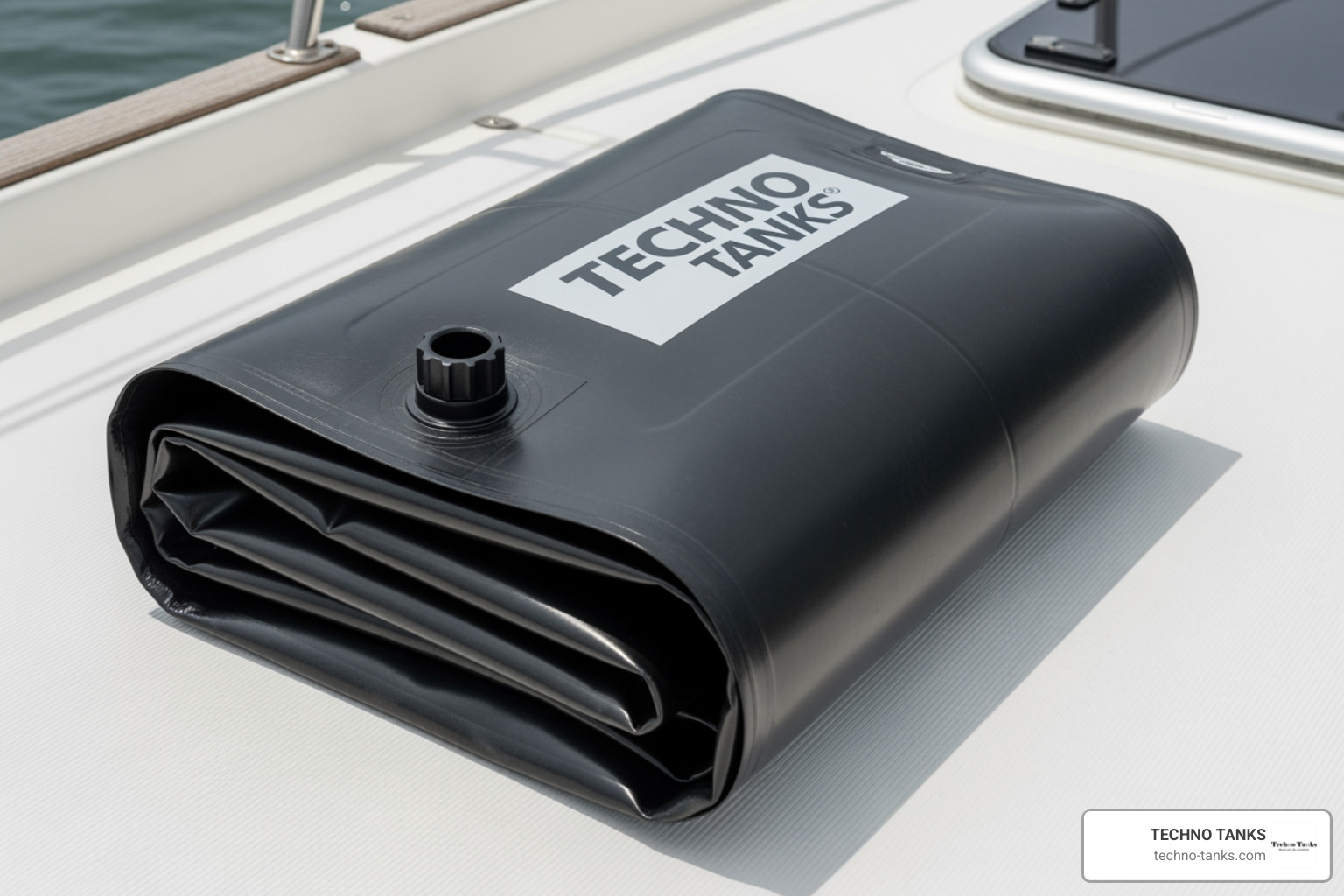
- Fold Flat for Compact Storage: One of the significant advantages of flexible fuel bladders, like those manufactured by Techno Tanks, is their collapsible design. Once empty and dry, our bladders can be easily folded flat, saving valuable space on board or in your storage area.
- Regular Inspection: Before and after each use, inspect the bladder thoroughly. Check all seams, valves, and fittings for any signs of wear, damage, or leaks. Address any issues promptly to prevent problems during future transfers.
- Storage Location: Store your clean, dry, and folded bladder in a cool, dry place, away from direct sunlight and sharp objects that could puncture or damage the material.
While bladders are typically emptied after use, if you ever consider storing fuel long-term within a bladder (which is generally not recommended for marine bladders unless specifically designed for it), using fuel stabilizers would be necessary to preserve the fuel’s quality.
By following these post-transfer handling and maintenance steps, we ensure our Techno Tanks fuel bladders remain in optimal condition, ready for your next extended voyage. For more detailed guidance on operating and maintaining your marine bladder, refer to our Marine Bladder Operating Instruction Tips. You can also learn more about the advantages of our flexible solutions by visiting our Fuel Bladder vs Fuel Tank comparison.
Frequently Asked Questions about Fuel Bladder Transfer?
We often receive questions about fuel bladders and their transfer process. Here are some of the most common inquiries, answered to help you make informed decisions for your boating adventures.
How can boaters extend their range on long trips?
Boaters can significantly extend their range on long trips by utilizing portable fuel bladders to carry extra fuel. These bladders allow for the convenient transfer of additional fuel to the main tank as needed, enabling longer offshore fishing excursions, extended cruising to remote destinations, or simply providing peace of mind during unpredictable voyages. This flexibility means less time worrying about fuel stops and more time enjoying the water.
What size fuel bladder should be chosen?
The ideal fuel bladder size depends on several factors: your anticipated fuel requirements for extended trips, the available storage space on your vessel, and your boat’s maximum weight capacity. Our bladders are available in capacities ranging from 25 gallons to as much as 500 gallons or more. Fuel weighs approximately 6 pounds per gallon, so even a small bladder adds significant weight. Always ensure that the combined weight of the bladder and its fuel, along with all other gear and passengers, does not exceed your vessel’s maximum weight capacity. We offer a comprehensive Fuel Bladder Sizing Guide to help you determine the perfect fit for your needs.
Are fuel bladders safe for gasoline?
Yes, fuel bladders can be safe for gasoline, provided you use bladders specifically designed and rated for gasoline. Our Techno Tanks bladders are manufactured from durable, recyclable thermoplastic polyurethane (TPU) materials that are compatible with various fuel types, including gasoline. However, it is absolutely critical to follow all safety protocols during transfer, such as proper grounding and bonding to prevent static discharge, ensuring adequate ventilation to disperse flammable vapors, and always emptying the bladder completely after use to avoid vapor buildup. Gasoline is highly volatile, so strict adherence to safety guidelines and using the correct equipment are paramount.
Conclusion
Mastering the transfer of fuel from a fuel bladder is a skill that empowers boaters to push their boundaries, explore further, and navigate with greater confidence. We’ve explored the safest and most effective methods, emphasizing the importance of electric pumps for controlled and efficient transfers. We’ve also highlighted the critical aspects of secure bladder positioning, careful weight management, and rigorous safety precautions, including grounding and bonding to prevent static discharge.
Beyond the transfer itself, proper post-transfer handling and maintenance—from thoroughly draining residual fuel to meticulous cleaning and compact storage—are essential for the longevity and reliability of your fuel bladder. By embracing these best practices, we can ensure that our flexible fuel bladders remain a dependable asset for countless voyages to come.
Extending your boating range doesn’t have to be a source of anxiety. With the right knowledge, equipment, and a commitment to safety, you can venture further with confidence and peace of mind. Explore Techno Tanks’ range of flexible marine fuel bladders to enhance your vessel’s capabilities and ensure you’re always prepared for the journey ahead. Learn more about Techno Tanks’ flexible fuel bladders.

